Live Casino Game Shows: Why Every Bet Spot Has Its Own RTP
Slots, tables & live gamesBy CanadaCasinos editorial teamUpdated 19+ · how we rate
On a live money-wheel show such as Crazy Time, Monopoly Live or Dream Catcher, each bet spot is its own wager with its own return to player. The figure depends on how many segments the spot owns, what it pays and how multipliers and bonus rounds feed into it. Covering every spot does not create an edge; it simply adds several negative-expectation bets together.
In this guide
How a money wheel is built
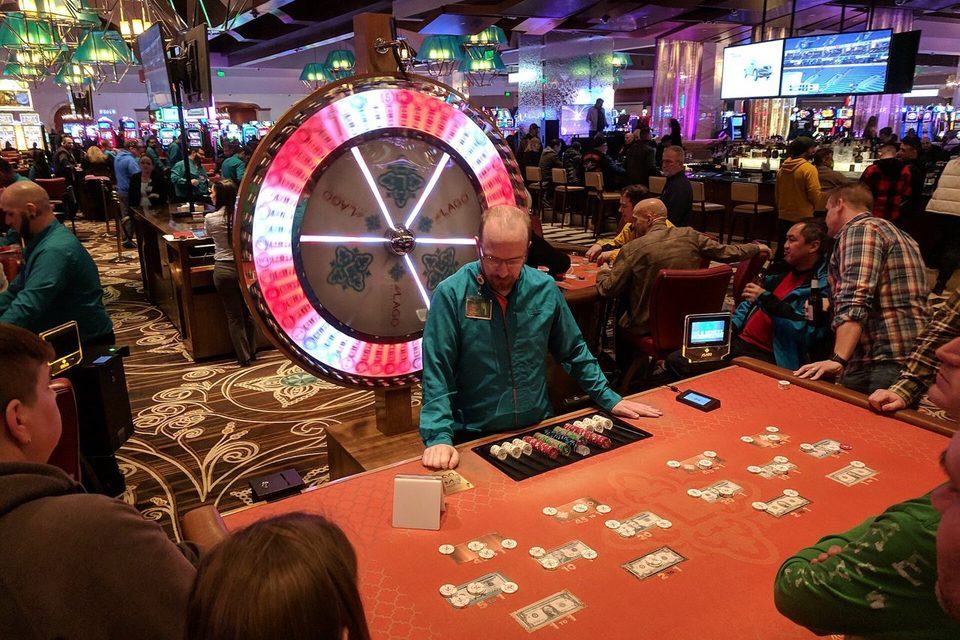
A game-show wheel is a big, vertical version of the old carnival Big Six wheel. It is split into segments of equal width. Most segments carry a number, and that number is also the payout: land on 2 and a bet on 2 pays 2 to 1, land on 10 and a bet on 10 pays 10 to 1. A few segments carry bonus symbols that launch a separate round instead of paying straight away.
The key detail is that the numbers are not spread evenly. Small payouts own many segments; big payouts own only a few. Crazy Time, made by Evolution, uses a 54-segment wheel: 21 segments for 1, 13 for 2, 7 for 5, 4 for 10, then 4 Coin Flip, 2 Cash Hunt, 2 Pachinko and a single Crazy Time segment. That layout, not the noise of the studio, is what sets the price of every bet.
Because each spot has a different number of segments and a different payout, the provider calculates a separate theoretical return for each one and publishes it in the game's help or rules screen. One wheel, several RTPs.
Why each spot has its own RTP
Take the plain number 1 on a 54-segment wheel as illustrative arithmetic. It wins 21 times in 54 and pays even money. Without any extras, a C$1 bet would come back as C$2 on 21 spins out of 54, so you would expect to get back 42/54 of your stake, about 78 cents per dollar. That would be a terrible bet.
The real figure is far higher because the show adds a Top Slot (or a similar feature) before each spin: a random spot is picked and, if the wheel lands on it, that spot's payout is multiplied. Those boosts are what lift the return of every spot into the mid-90s. The provider tunes how often each multiplier appears so that each spot lands on its target return.
The same tuning happens with bonus spots. A bonus segment does not pay a fixed number; it opens a mini-game whose average win has been calibrated in advance. The rarer the segment, the larger the average bonus has to be to keep its RTP in line.
In Crazy Time, Evolution's help file lists the plain number 1 as the best-returning spot, a little above 96%, and the Pachinko bonus as the lowest, a little above 94%. The gap looks small, but it is the difference between losing roughly four cents and roughly six cents per dollar staked over a long run. Before you bet, open the i or help panel on the table and read the RTP list for the exact version your casino runs.
| Bet type | How often it hits | What shapes its RTP |
|---|---|---|
| Low number (1 or 2) | Most spins | Small base payout lifted by occasional multipliers |
| High number (5 or 10) | A minority of spins | Bigger base payout, more weight on multipliers |
| Common bonus round | Occasionally | Average value of the mini-game, often with in-round multipliers |
| Rarest bonus round | Seldom | Very large but very rare outcomes; widest swings |
How multipliers and bonus rounds shift the maths
Multipliers do two things at once. They raise the average return of the spot they land on, and they make results far more uneven. Most of a high spot's value sits in a handful of rare, boosted wins. Long dry spells are therefore part of the design, not a sign that a big hit is "due". Every spin is independent; the wheel has no memory of the last 50 results.
Bonus rounds work the same way with an extra layer. In a cash-hunt style round you pick a hidden multiplier; in a coin-flip round a coin decides between two values; in a drop-style round a puck bounces down a board. Each looks like a choice or a skill moment, but the average result has been set in advance. Your pick changes which outcome you get, not the expected value of the round.
Some shows also offer a mechanic where a multiplier from one spin is carried to the next spin (Dream Catcher uses multiplier segments that boost the following result), or where a bonus can repeat. Read the rules for each title: a feature that sounds generous may simply be how that spot reaches its published RTP.
Why covering every spot guarantees nothing
A popular habit is to spread chips over every number and every bonus so that "something always wins". Something usually does win, but that is not the same as winning money. Each bet keeps its own negative expectation, and adding them together gives you a blended return that sits somewhere between the best and worst spot on the table, weighted by how much you staked on each.
Illustrative arithmetic: say you put C$1 on each of eight spots, C$8 per spin. When the wheel lands on 1, you collect C$2 back on that spot and lose the other seven chips. You were "paid", yet you are down C$6 on the spin. Full coverage turns a single wager into many small wagers, so the expected loss per spin grows with the total stake.
Coverage does reduce how often you see a completely empty spin, which is why it feels safer. It does not reduce the house edge, and the money you place on low-RTP bonus spots drags the blended figure down.
Playing game shows from Canada
Money-wheel shows are streamed from studios and offered through many licensed casino brands. In Ontario, they appear at operators registered with the provincial regulator and iGaming Ontario. Elsewhere in Canada, provincial lottery corporation sites run their own catalogues, and their choice of live shows can differ. The game is the same product, but the table limits, available versions and even the RTP settings listed in the help panel can vary between sites, so check them on the one you actually use.
If you are comparing where to play, our overview of live dealer casinos for Canadian players lists sites with live studios, and the Evolution Gaming casino list covers operators carrying that provider's shows. Bonus funds often contribute little or nothing to wagering on live games, so read the terms before using a promotion at a wheel.
Quick checklist before you spin
- Open the help panel and note the RTP for each spot on that exact version.
- Remember that the bet with the biggest payout is rarely the one with the best return.
- Treat multipliers and bonus rounds as part of the price, not a free extra.
- Covering every spot raises your total stake; it never removes the house edge.
- Set a session budget in C$ before you start and stop when it is gone. Do not raise stakes to win back losses.
For a wider look at how returns are published, see our guide to the best payout online casinos.
Questions players ask
Which bet on a money-wheel show has the best RTP?
It depends on the title and version. On many wheels the lowest number, which owns the most segments, carries the highest theoretical return, while the rarest bonus spot carries the lowest. The only reliable answer is the RTP list in the game's help panel at the casino you are using.
Do live game shows have a memory of previous spins?
No. Each spin is independent, so a segment that has not appeared for a long time is no more likely on the next spin. Result history boards are for entertainment and do not help you predict outcomes or improve your expected return.
Can I use a casino bonus on Crazy Time or Monopoly Live?
Sometimes, but many bonus terms count live games at a reduced rate or exclude them from wagering altogether. Some also list game shows under restricted games. Check the contribution table in the bonus terms before you place bets with bonus money at a wheel.
More from the blog
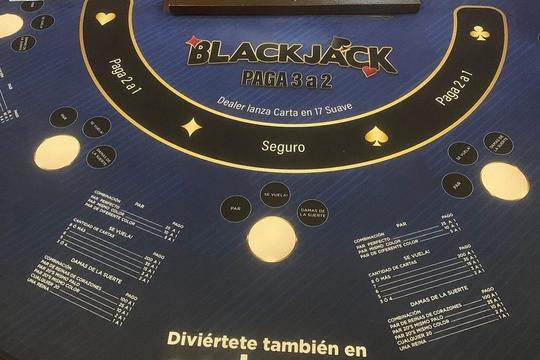
Blackjack Side Bets Explained: Perfect Pairs, 21+3, Insurance
Side bets promise big payouts for a small extra chip. This guide explains how Perfect Pairs, 21+3, Bust It and insurance actually pay, why they usually cost more than the main hand, and how to read a paytable.
Casino Demo Mode vs Real Money: Does Free Play Match the Real Game?
Free-play demos let you try a game without staking money, but they are not a perfect preview. This guide covers RNG, RTP settings, features, login requirements and the habits a demo balance can quietly teach you.
Same Slot, Different RTP: How to Find the Version Your Casino Runs
One slot title can exist in several return-to-player versions, and the casino chooses which one you get. Here is where to find the figure the game is actually running and what a two-point gap means over a few thousand spins.